What is crypto payroll? Crypto payroll is the practice of paying employees or contractors in cryptocurrency instead of, or alongside, local money. Most companies use stablecoins such as Tether (USDT) or USD Coin (USDC), because their value tracks the US dollar. The worker receives the payment in a crypto wallet they control.
People also call it a crypto salary or payroll in crypto. The pay amount is still agreed in a normal currency, such as USD or EUR. Only the payment method changes. You can find a short definition in our crypto payroll glossary entry.
Crypto payroll means paying wages or contractor fees in digital assets, usually stablecoins like USDT or USDC, straight to the worker's crypto wallet. Most businesses run it next to regular payroll, not instead of it.
Bitcoin and Ether can also be used. But their prices move a lot, so a salary paid in them can lose value within days. That is why most businesses now pay in stablecoins.
Key takeaways
- Crypto payroll pays wages or contractor fees in crypto, most often in dollar-backed stablecoins.
- Tax rules still apply. In the US, crypto wages are taxed at fair market value and reported on Form W-2.
- A hybrid model, part fiat and part stablecoins, is the most common and lowest-risk setup.
- Contractors are the simplest place to start. Employees add withholding and wage-law duties.
- Payroll software calculates pay and tax. A payout platform sends the money. Many teams use both.
This guide shows how it works, which model fits you, and how to run your first payroll batch safely.
Crypto payroll vs regular payroll vs mass payouts
These three terms overlap, but they are not the same:
- Regular payroll calculates gross pay, taxes and deductions, then pays by bank transfer.
- Crypto payroll uses the same calculation, then pays all or part of the net amount in crypto.
- Mass payouts are the sending step. One batch pays many wallets at once, for salaries, affiliate fees or refunds.
In short, crypto payroll is a policy decision. Mass payouts are the tool that carries it out.
How does crypto payroll work?
Crypto payroll works in five steps. The company calculates pay in local currency and converts the net amount into a crypto amount. It checks each worker's wallet address, then sends the payments on the blockchain. Finally, it records the value of each payment for tax and accounting.
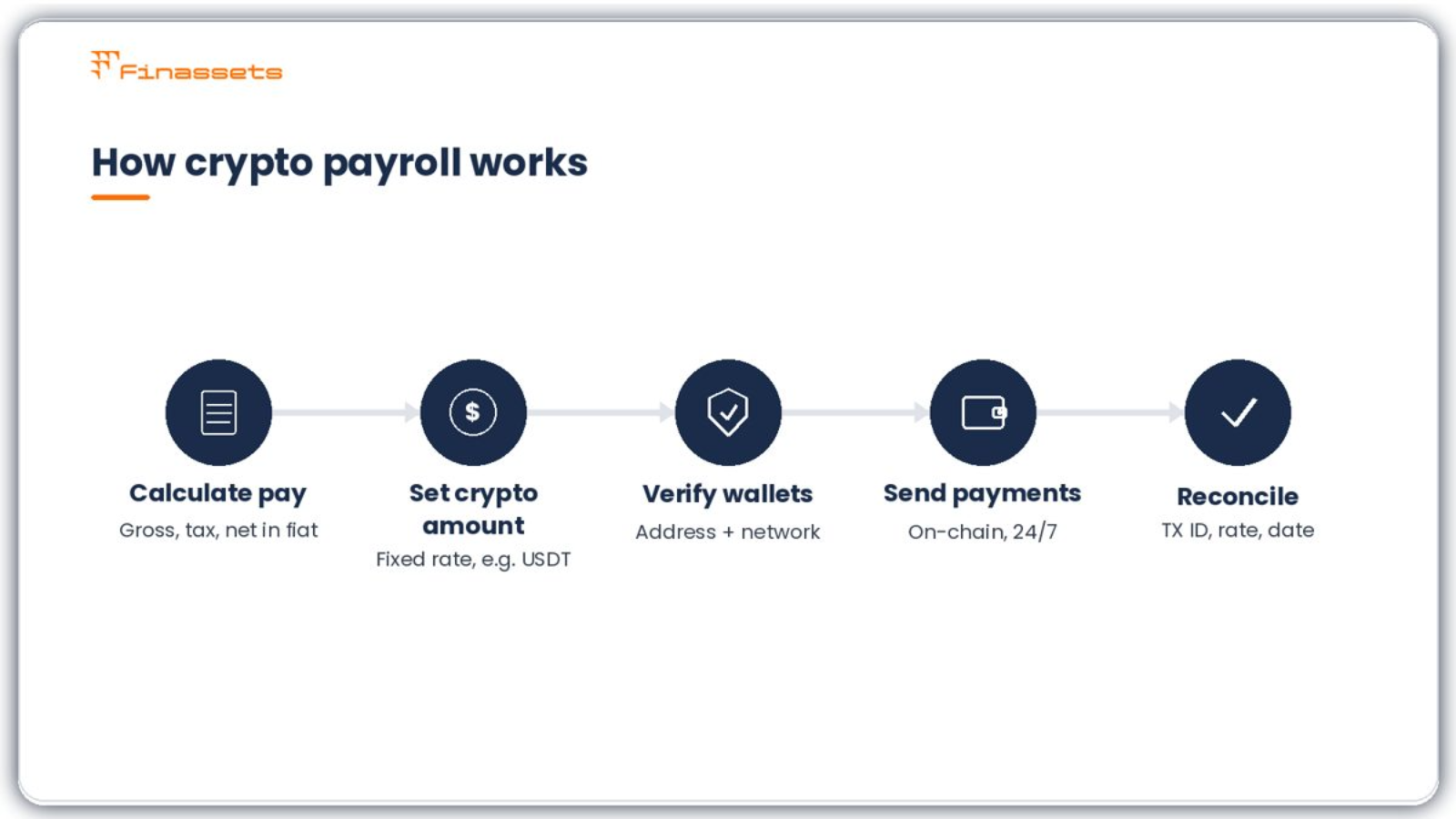
- Calculate pay. Gross pay, taxes and deductions are worked out in fiat, as usual.
- Set the crypto amount. The net amount is converted at a documented rate. With stablecoins, 1,000 USD is close to 1,000 USDT or USDC.
- Verify wallets. Each worker gives a wallet address and the network it uses, such as TRON (TRC20) or Ethereum (ERC20).
- Send the payments. Funds move on-chain. The network confirms each transfer, usually within minutes.
- Record and reconcile. The company saves the transaction ID, amount, rate and date for each payment.
Crypto payroll keeps the pay calculation in fiat and changes only how the money is delivered.
A payment is final once the network confirms it. It cannot be pulled back like a card payment. This irreversibility is why step 3 matters so much.
Why do businesses use crypto payroll?
Businesses use crypto payroll mainly to pay remote contractors faster and at lower cost than with bank wires. It also helps workers in countries with weak local currencies keep their pay in dollars. For some teams, especially in Web3, it is simply what staff expect.
Traditional cross-border transfers are still costly for small amounts. The World Bank tracks the total cost of sending USD 200 abroad.
In Q3 2025, the average across all providers was 6.36%. Banks were the most expensive channel at 14.99%. Digital services averaged 4.59%.
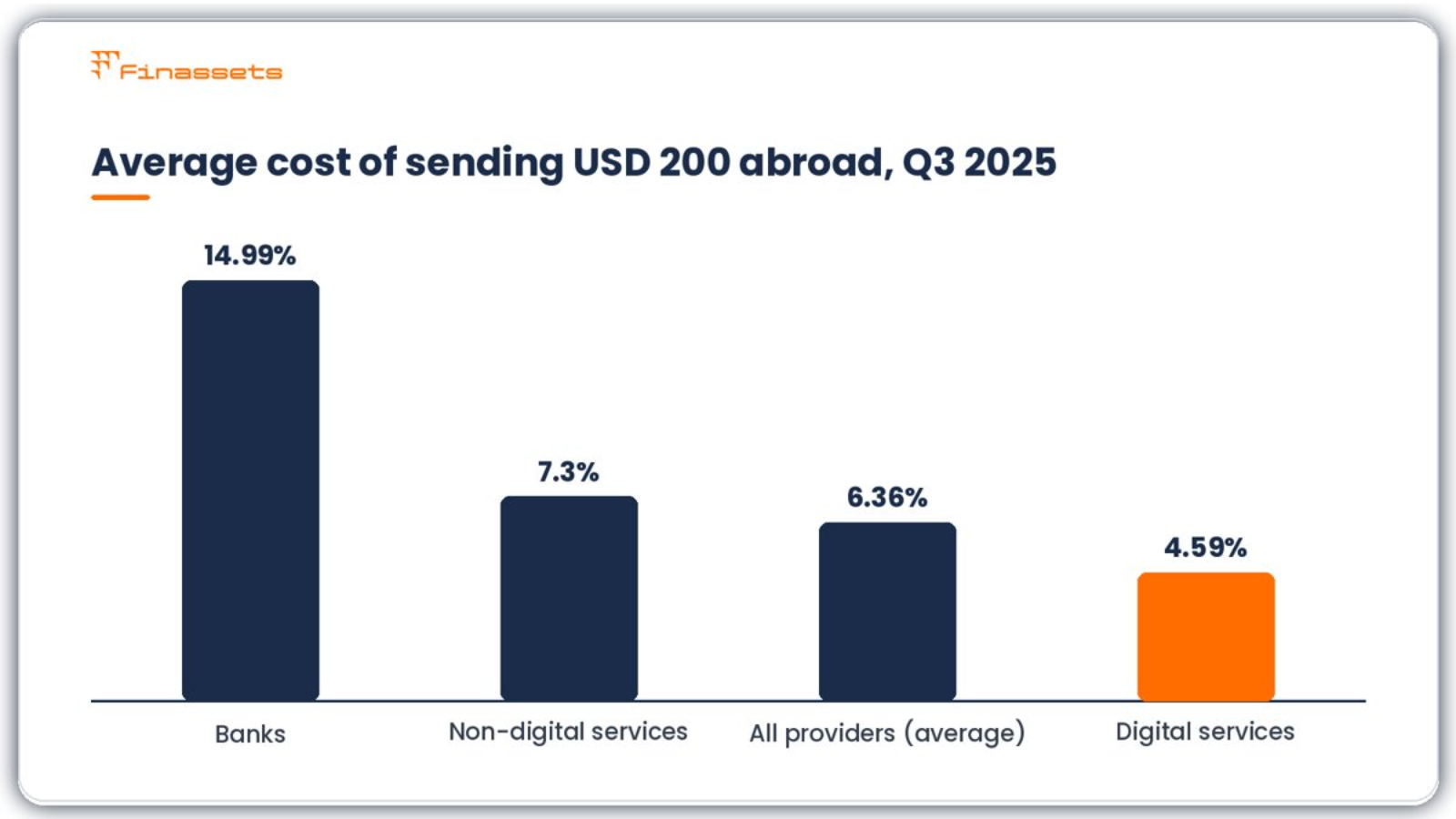
Source: World Bank RPW main report, Issue 54 (Q3 2025 data).
These are remittance figures, but small contractor payments face similar costs. A stablecoin transfer has no currency exchange margin while the money stays in dollars. The main cost is the network fee, which depends on the blockchain you use.
Other reasons companies choose crypto payroll:
- Speed. Transfers settle in minutes and run 24/7, including weekends and public holidays.
- Currency protection. Workers in high-inflation markets can hold pay in a dollar-backed asset.
- Reach. One payment method works for contractors in many countries.
- Talent. Crypto-native staff often prefer it.
This is why global crypto payroll grew first among contractors. It is now moving into mainstream HR tools. In 2026, Deel expanded stablecoin salary payouts to full-time employees in the US and Eurozone. The company said more than 10,000 contractors were already paid in stablecoins on its platform.
Which payroll model fits: fiat, hybrid or full crypto?
Many businesses may prefer a hybrid model, where workers receive part of their net pay in stablecoins and the remainder through traditional payment methods. Workers opt in to receive a share of net pay in stablecoins, and the rest goes to their bank account. Taxes and deductions are still calculated and paid in fiat. Full crypto payroll is less common and used mainly for contractors.
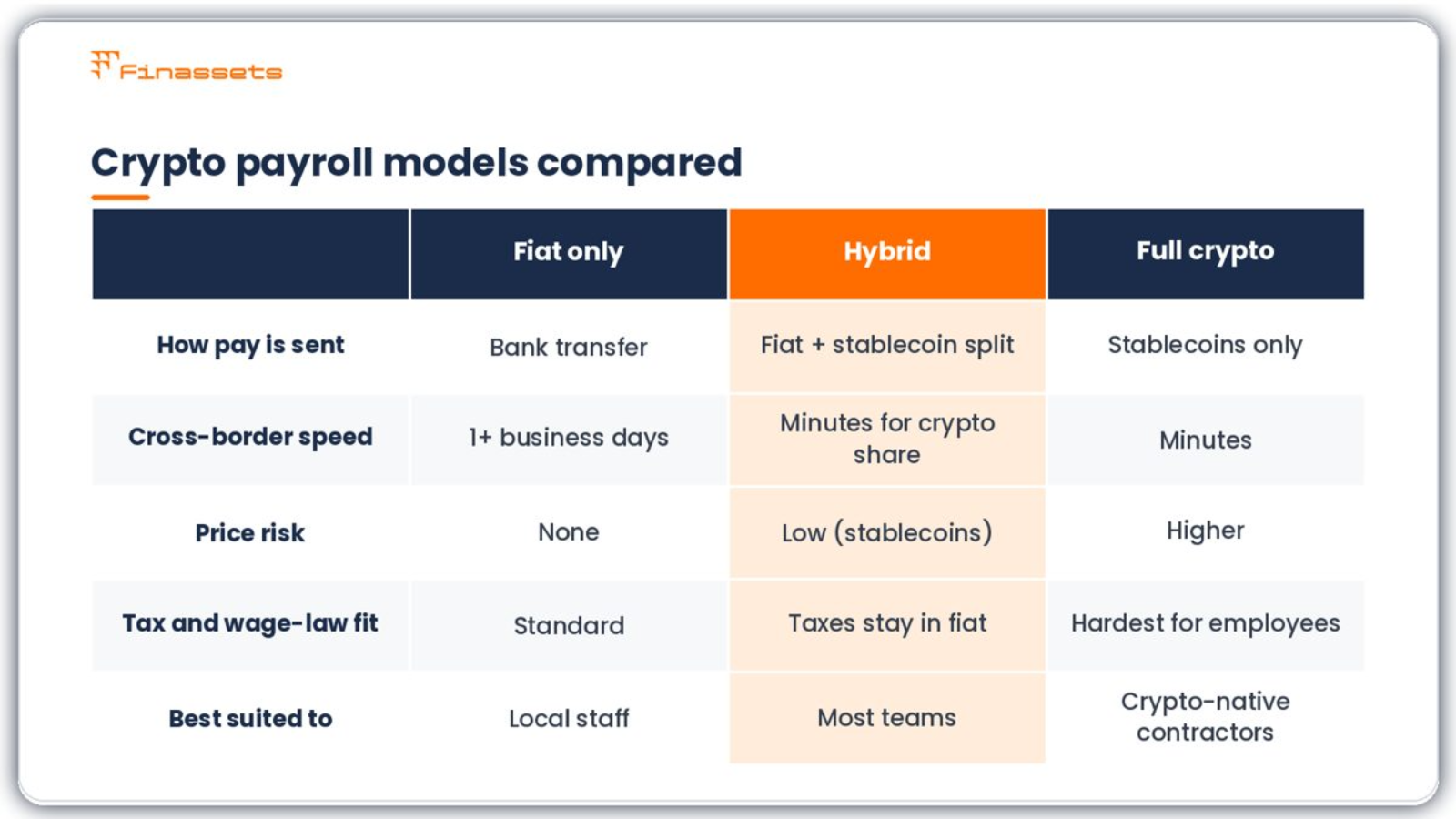
A hybrid split keeps tax in fiat while workers receive part of their pay in stablecoins.
- Fiat only. No crypto risk, but cross-border payments stay slow and costly.
- Hybrid. Each worker picks a split. Deel, for example, lets employees choose 10%–25% of net salary in stablecoins. Risk is lower, but admin is a little higher.
- Full crypto. Simple for crypto-native contractors. It carries the highest tax, legal and price exposure.
Start with a hybrid model or with contractors only. Expand once your process runs smoothly.
Employees vs contractors: what changes?
Paying contractors in crypto is usually simpler than paying employees. Contractors send you an invoice and receive a payment for services. Employees bring wage laws, tax withholding and payroll reporting. Both still create tax obligations, so get local advice before you start.
Employees
In the US, the IRS treats crypto as property. Crypto paid as wages is taxable to the employee. The employer must report it on Form W-2 and withhold income tax and payroll taxes. The taxable amount is the fair market value in US dollars on the day the employee receives it.
US wage law adds another limit. Under the Fair Labor Standards Act (FLSA), federal rules require minimum wage and overtime to be paid "in cash or negotiable instrument payable at par". So many US employers keep base pay in dollars and offer crypto as an opt-in share.
Contractors
To pay contractors in crypto, the tax rules are lighter but still apply. In the US, crypto paid to independent contractors is taxable, and self-employment tax rules generally apply. Payers may also have information-reporting obligations, including Form 1099-NEC where applicable.
Put the details in the contract: currency, network, how the amount is set and how invoices work. For the contractor's side of this process, see our guide on how contractors get paid in crypto.
This section is general information, not legal or tax advice. Rules differ by country and change often. Some countries require wages to be paid in local currency.
Which stablecoin and network should you use for payroll?
For most payroll, a dollar stablecoin is the safest choice. USDT has the largest supply and very wide wallet support. USDC is the second-largest option, and some workers prefer it.
Then pick a network. The network decides the fee for each payment and how fast it confirms.
As of 10 September 2026, total stablecoin supply was about $302.8 billion. USDT accounted for $183.4 billion and USDC for $74.2 billion. Together they made up about 85% of the market.
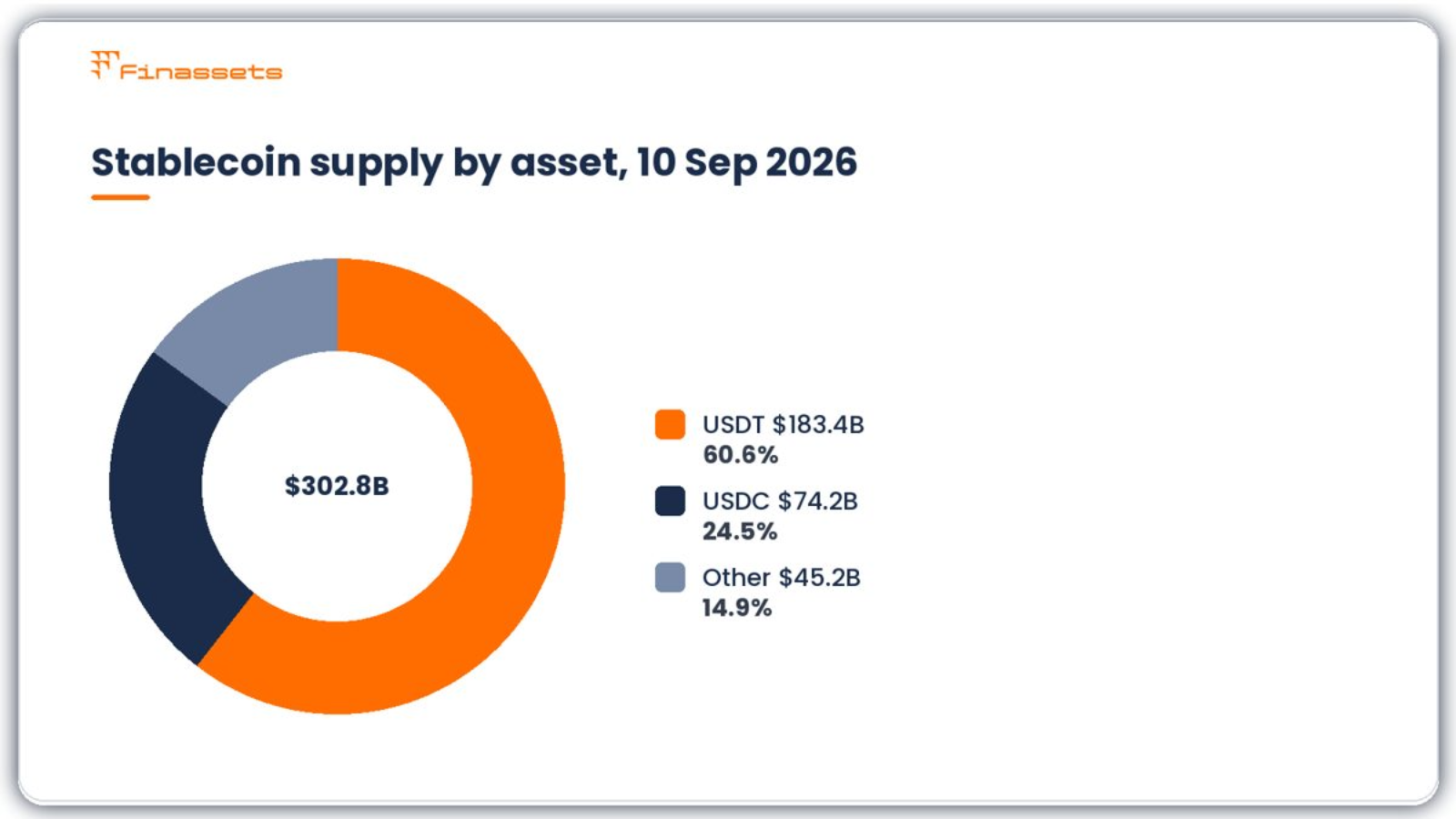
Source: Stablecoin Beat, stablecoin market cap tracker, 10 September 2026.
Stablecoin payroll vs Bitcoin payroll
Bitcoin payroll appeals to staff who want to hold BTC for the long term. For the employer, it adds price risk between the day pay is calculated and the day it is sent. A common approach is stablecoin payroll, with staff free to convert to BTC themselves.
USDC payroll and USDT payroll work the same way. The choice mostly depends on which asset your workers' wallets and local exchanges support.
Comparing networks for payroll
|
Network |
Common assets |
Fee level |
Note |
|
TRON (TRC20) |
USDT |
Medium, uses Energy |
Widely used for USDT payouts |
|
Ethereum (ERC20) |
USDT, USDC |
Variable; can be higher during congestion |
Often used for larger single payments |
|
BNB Smart Chain (BEP20) |
USDT, USDC |
Low |
Check the worker's wallet supports it |
|
Polygon |
USDT, USDC |
Low |
Used by some payroll platforms |
Always match the network to the worker's wallet. Sending on a network the receiving wallet does not support can make funds hard or impossible to recover. For a deeper comparison, read TRC20 vs ERC20 vs BEP20 for USDT payouts.
On TRON, network costs depend on Energy. The Finassets TRON Energy Saving System uses pre-purchased Energy instead of burning TRX. It can reduce TRC20 network costs by up to 50%, depending on Energy availability and network conditions. You can estimate your costs with the TRON Energy Calculator.
How to pay employees in crypto: 7 steps
To pay employees in crypto, write a payroll policy, collect and verify wallet addresses, and send a small test payment first. Then fund the payroll wallet, prepare the batch and approve it with two-factor authentication. Finally, reconcile every payment against your payroll records.
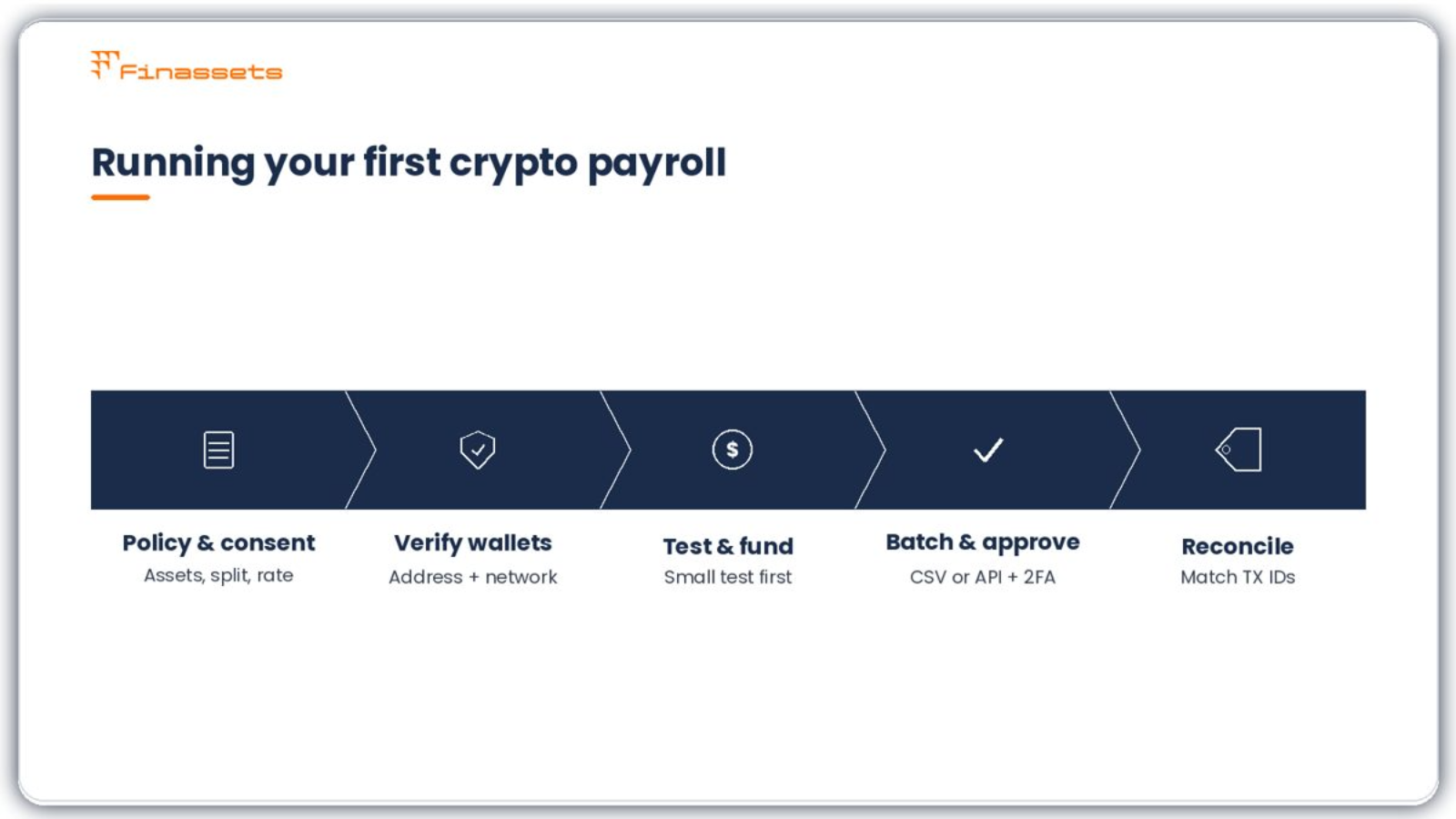
1. Write a crypto payroll policy
Cover who can opt in, which assets and networks you support, and the split. Define the rate source and the time you fix the rate. Explain what happens if a payment fails. Get written consent from each worker.
2. Collect and verify wallet addresses
Ask for the address and the network in writing. Confirm any change through a second channel, such as a video call. Fake address-change requests are a common fraud method. Address whitelisting helps by limiting payments to approved addresses.
3. Send a test payment
Send a small amount to each new address. It confirms that the address, network and wallet all work before real pay goes out.
4. Fund the payroll wallet
Hold enough stablecoins for net pay plus network fees. If your treasury holds other crypto, convert it a day or two ahead. Finassets B2B crypto conversion lets you convert between supported assets at near-real-time rates through liquidity partners, subject to onboarding and jurisdictional restrictions.
5. Prepare the payout batch
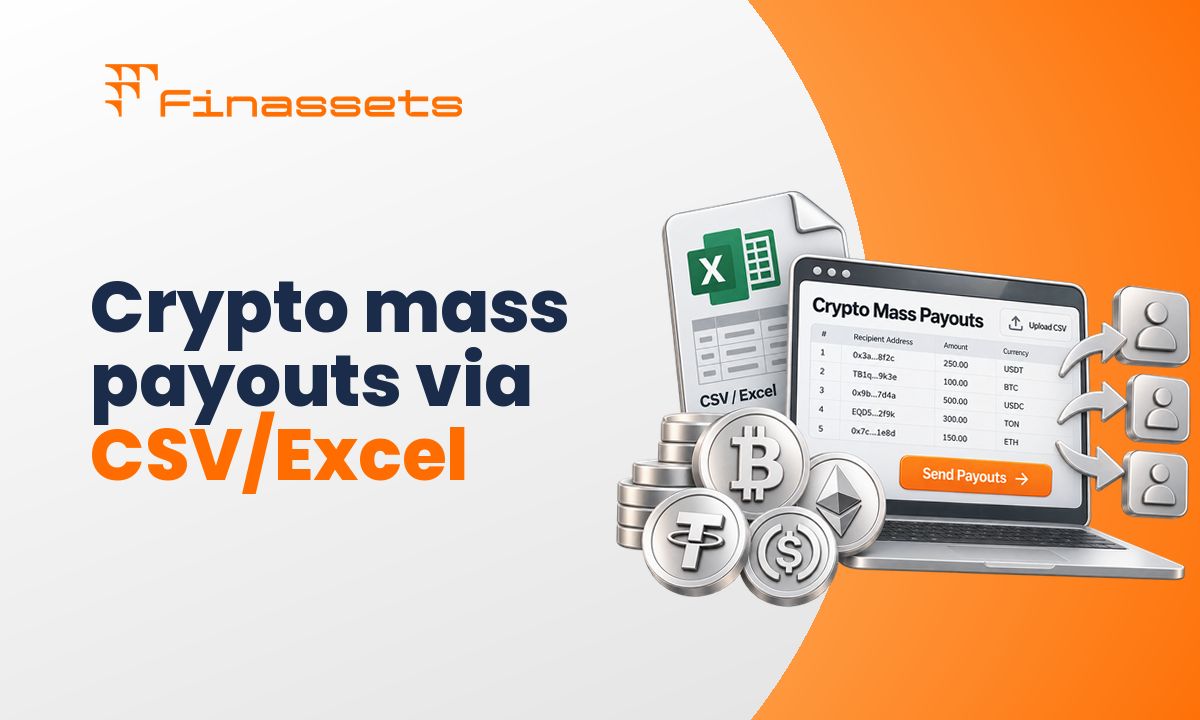
Export net amounts from your payroll system into a CSV file. Include the wallet address, asset, network, amount and a reference for each worker.
For example, Finassets bulk crypto payouts accept a CSV file of up to 100 rows (1 MB) per upload. You can also send the same batch through the API. Here is how CSV mass payouts work step by step.
6. Approve and send
Have a second person review the batch before release. In Finassets, each mass payout is authorised with 2FA, and role-based access control lets you limit what each team member can do.
7. Reconcile and keep records
Match each transaction ID to its payroll line. Record the fiat value at the time of payment for tax reporting. Read more about crypto payment reconciliation.
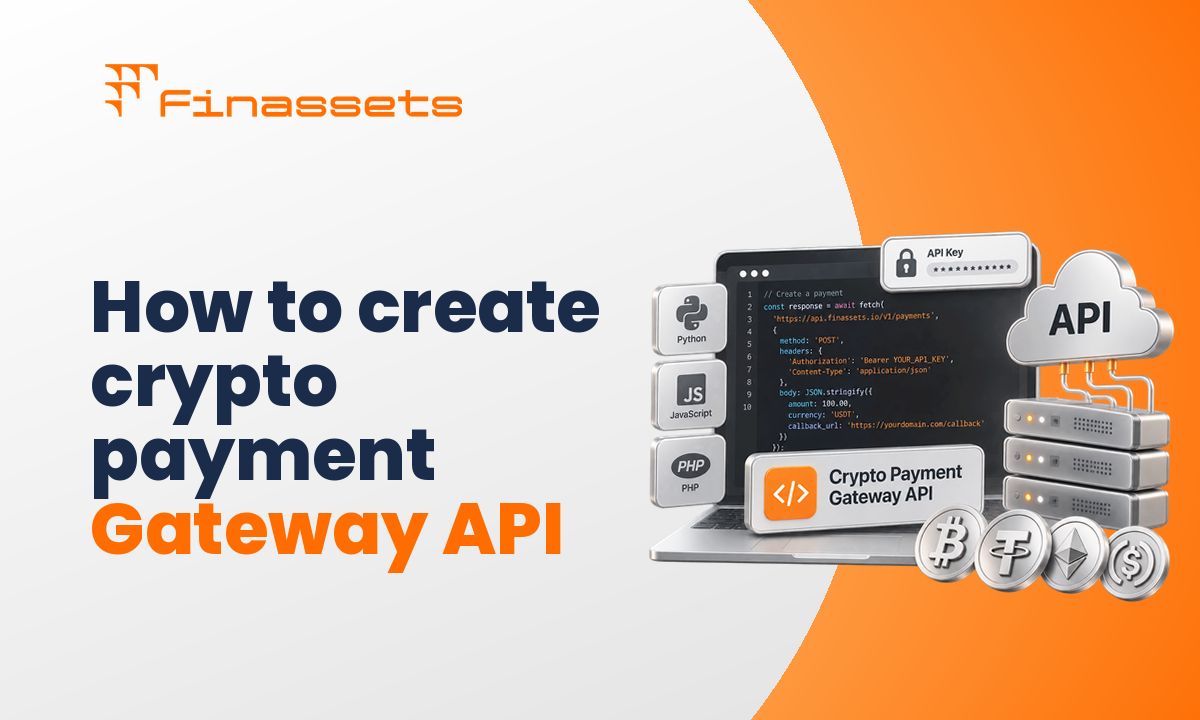
Teams with many payees can automate this with the Finassets crypto payment API. Webhooks send status updates, so your system knows when each payout is complete.
Each stage lowers the risk of a failed or misdirected payment.
What are the risks of crypto payroll, and how do you reduce them?
The main risks are payments sent to the wrong address, price changes, tax or wage-law mistakes, sanctions exposure and stolen keys. Each risk has a clear control: verified addresses, stablecoins, local advice, screening and strong access security. Set up these controls before your first payroll run.
- Irreversible transfers. Use verified addresses, test payments and a second approver.
- Price changes. Pay in stablecoins and fix the conversion rate at a set time.
- Stablecoin risk. A stablecoin can briefly lose its peg. In March 2023, during the Silicon Valley Bank crisis, USDC fell to about $0.87. Hold only what you need for the next payroll run.
- Tax and wage-law errors. Calculate pay in fiat, get local advice and keep base pay in fiat where the law requires it.
- AML and sanctions. Run KYC on payees and screen wallets before paying. Finassets applies risk-based AML/CTF, KYC/KYB and sanctions controls.
- Account and key security. Protect funds with MPC-based wallet technology, 2FA, IP whitelisting and role-based access control. Finassets uses all four.
Crypto payroll software vs a payout platform: what's the difference?
Crypto payroll software calculates pay, taxes and payslips, and may also send the money. A payout platform focuses on sending crypto to many wallets securely and tracking each transfer. Many businesses keep their existing payroll system and add a payout platform for the crypto part.
So what is the best solution for employee payroll in crypto? It depends on who you pay. For full-time employees in several countries, crypto payroll solutions from payroll or employer of record (EOR) providers handle withholding and local reporting. For contractors, affiliates or partners, your accounting records plus a payout platform are often enough.
When you compare crypto payroll software, check four things: supported assets and networks, approval controls, reporting exports and how the provider handles compliance.
How Finassets can help
Finassets payment gateway provides the payout rails for crypto payroll. You can pay staff, contractors or affiliates in USDT, USDC and other supported assets on TRC20, ERC20, Solana, BEP20 and Polygon. Batches go out via CSV or Excel and need 2FA approval. Finassets does not calculate wages or withhold tax, so keep your payroll system for that part.
Conclusion
Crypto payroll is a payment choice, not a new kind of payroll. You calculate pay and tax as you do today, then use stablecoins to deliver the money faster across borders. Start small: one team, a hybrid split and a written policy.
👉 Try the Finassets demo to explore the workspace and see how it works.
👉 When you’re ready to send your first batch, create your Finassets business account.
Article details
- Last updated: October 07, 2026
- Published by: Finassets
- Author: Alena K., Crypto Payment Solutions Specialist
- Category: Crypto payroll, How to pay staff and contractors in stablecoins
- Reading time: 7–10 minutes
- Content type: Educational guide
- Audience: Businesses, merchants, SaaS companies, developers, and e-commerce owners exploring crypto payroll payment solutions.
Editorial policy
This article is reviewed periodically to ensure the information remains accurate and reflects the latest developments in cryptocurrency payments, blockchain networks, stablecoins, and payment gateway technologies. Content is based on publicly available documentation, industry best practices, and practical payment infrastructure knowledge. It is intended for informational purposes only and does not constitute financial, legal, or investment advice.