

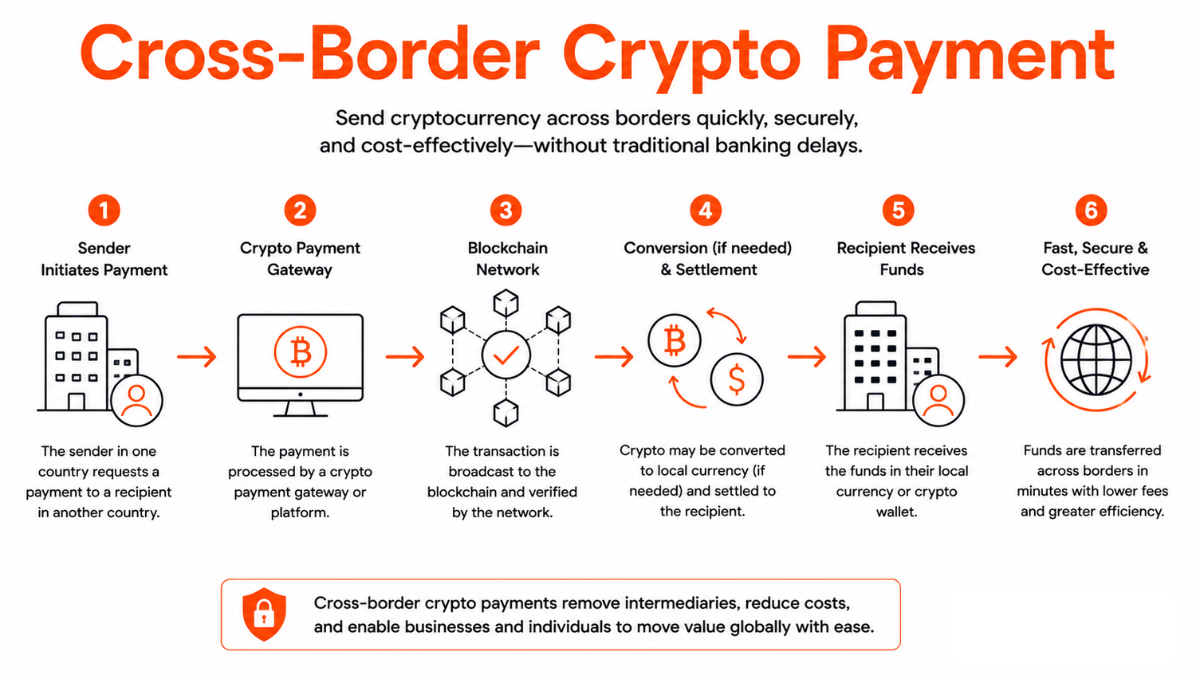
The Problem With Traditional Cross-Border Payments
Traditional cross-border payments suffer from three interconnected problems: cost, speed, and access. A $5,000 international wire transfer typically incurs $25–$75 in bank fees on the sending side, additional correspondent bank deductions in transit (SHA fee instructions), and a conversion spread at both ends if currencies differ. The total cost can exceed 2–3% of the transferred amount. Settlement takes 2–5 business days because payments route through a chain of correspondent banks that each batch and process at their own schedules.
Access is the most severe problem in many markets. Approximately 1.4 billion adults globally lack access to a formal bank account, and many more have accounts at institutions with limited international transfer capability. A software contractor in Nigeria or a supplier in Vietnam may have no practical way to receive an international wire transfer from a European client within a reasonable timeframe at acceptable cost. Crypto removes the institutional intermediary entirely: any business with an internet connection and a wallet can receive a cross-border crypto payment in minutes, regardless of their banking relationships.
Network Selection for Cross-Border Payments
|
Network |
Cost |
Speed |
Regulatory Acceptance |
Best For |
|
Bitcoin |
Medium ($0.50–$5) |
30–60 min |
High (widely understood) |
Large B2B value transfers; treasury movements |
|
Ethereum (mainnet) |
High ($1–$50) |
2–15 min |
High |
Smart contract-based B2B; institutional |
|
USDT-TRC20 (Tron) |
Very low (< $1) |
1–3 min |
Medium (less regulated) |
High-volume small-to-mid value; EM markets |
|
USDC on Solana |
Very low (< $0.01) |
< 1 min |
Medium-high (Circle regulated) |
Consumer payouts; marketplace settlements |
|
USDC on Base |
Low (< $0.05) |
~2 seconds |
Medium-high |
DeFi-adjacent B2B; US-centric flows |
|
Lightning (BTC) |
Near zero |
< 1 second |
Growing |
Micropayments; high-frequency small transfers |
Travel Rule Compliance in Cross-Border Crypto
Cross-border crypto payments face the full scope of Travel Rule obligations because they always involve two parties in different jurisdictions and often involve two different VASPs — the sender's gateway or exchange and the recipient's wallet custodian. For transfers above the applicable threshold, the sending VASP must transmit originator and beneficiary identity data to the receiving VASP before or alongside the on-chain transfer.
The practical complexity of Travel Rule compliance in cross-border payments depends heavily on whether the receiving wallet is VASP-hosted. Payments to suppliers who hold crypto at a known exchange can route Travel Rule data through TRISA or TRP. Payments to suppliers using self-hosted wallets require ownership verification before transfer. For gateway processing high-volume cross-border B2B payments, automating this VASP identification and data exchange process through blockchain analytics integration and Travel Rule protocol connectivity is essential to maintaining processing speed while meeting compliance obligations.
Currency Risk and the Stablecoin Solution for Cross-Border
When a European company pays a US supplier in Bitcoin, both parties face currency uncertainty. The buyer spent euros to acquire Bitcoin, which is now worth a different number of euros by the time the supplier converts it to dollars. Stablecoins eliminate this entirely: the buyer converts euros to USDC (one conversion, at a predictable rate), sends USDC to the supplier (no further price movement), and the supplier receives dollars directly or converts USDC to dollars at a stable rate. The total FX cost is one euro-to-dollar conversion rather than two (euro to BTC, BTC to dollar).
Compliance Note: This glossary entry is provided for general educational purposes only and does not constitute financial, investment, legal, or tax advice. Industry terminology may vary across jurisdictions and providers; definitions herein may not directly reflect the specific features, terms, or specifications of Finassets' services. For details on Finassets' offerings, please refer to official product documentation or contact our team directly.