

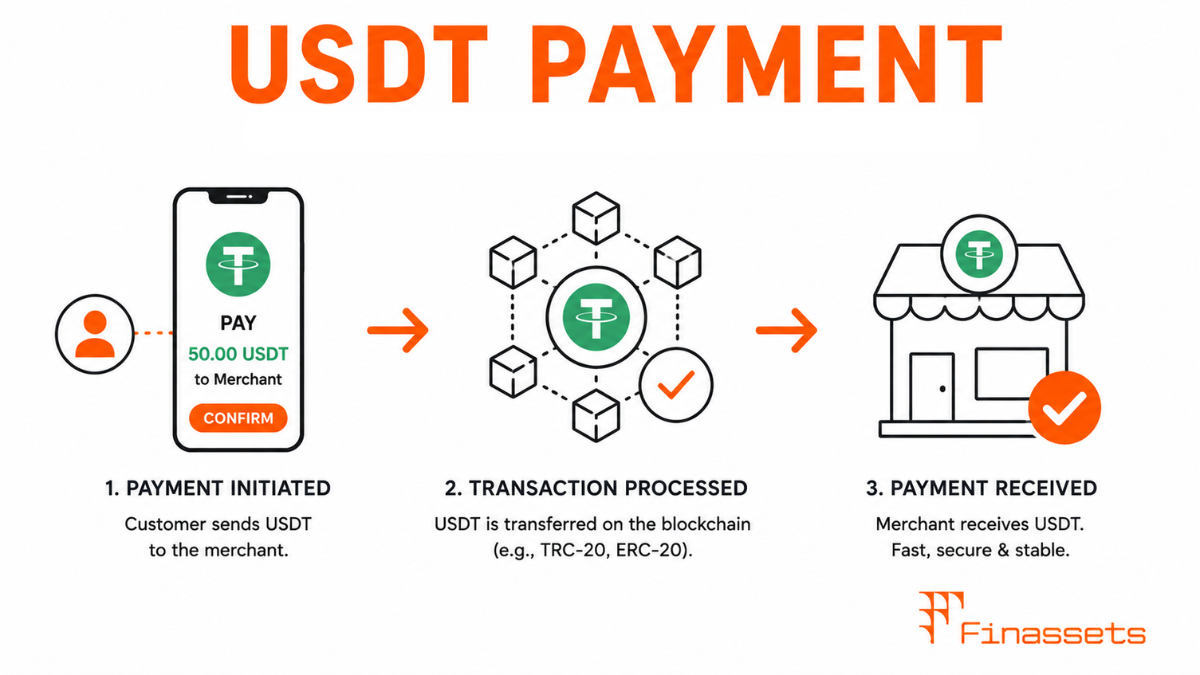
How Tether Maintains the Dollar Peg
Tether (USDT) maintains its 1:1 peg to the US dollar through a reserve mechanism: for each USDT in circulation, Tether Ltd holds an equivalent amount of reserve assets that can theoretically support redemption of all outstanding tokens at $1. The composition of those reserves has evolved significantly over time — early Tether reserves included commercial paper and other short-term credit instruments; as of 2024, Tether has progressively shifted toward US Treasury Bills, which now constitute the dominant reserve category and provide a more stable, liquid backing than the earlier mixed-asset approach.
The peg is maintained through arbitrage rather than algorithmic mechanisms. When USDT trades below $1.00 on secondary markets, arbitrageurs buy USDT cheaply and redeem it with Tether for $1.00, profiting from the discount and pushing the price back toward parity. When USDT trades above $1.00, arbitrageurs mint new USDT by depositing dollars with Tether and sell the newly minted tokens on the open market. This two-directional pressure keeps the market price of USDT close to $1.00 under normal conditions.
USDT vs. USDC for Merchant Payment Settlement
The merchant payment ecosystem shows clear segmentation between USDT and USDC based on institutional preference and geographic distribution. USDC, issued by Circle and subject to monthly attestations by a major accounting firm, attracts institutional merchants, regulated financial entities, and US-centric businesses that prioritise compliance transparency. USDT, with its greater liquidity and multi-chain distribution, attracts B2B merchants processing cross-border payments, merchants in Southeast Asian and Eastern European markets, and businesses optimising for transfer cost rather than issuer regulatory status.
Neither asset is superior for all use cases. Merchants serving institutional counterparties or operating in heavily regulated sectors should evaluate whether their counterparties and regulators have preferences. Merchants optimising for payment cost and global reach should note that USDT's market depth means better execution pricing for large conversions. USDT payment gateways typically support both, allowing merchants to configure per-counterparty or per-geography settlement preferences.
USDT Under MiCA — Regulatory Implications for EU Merchants
Under MiCA, USDT qualifies as an e-money token (EMT) — a type of stablecoin pegged to a single fiat currency. MiCA requires EMT issuers serving EU customers above defined thresholds to obtain EMI authorisation in an EU member state and maintain reserves meeting MiCA's standards. Tether Ltd, incorporated in British Virgin Islands, faced a compliance challenge: as of mid-2024, Tether had not obtained MiCA authorisation, which led some EU-based crypto service providers to delist USDT for EU customers above MiCA's de minimis thresholds.
For EU merchants using USDT for settlement, this creates a regulatory risk exposure: if the gateway is a MiCA CASP and the merchant receives USDT settlement, the gateway is handling an EMT that may not be MiCA-compliant. Gateways serving EU merchants should monitor MiCA enforcement developments for non-authorised EMTs and be prepared to offer USDC (issued by Circle Europe, which has obtained MiCA authorisation) as an alternative settlement asset.
Compliance Note: This glossary entry is provided for general educational purposes only and does not constitute financial, investment, legal, or tax advice. Industry terminology may vary across jurisdictions and providers; definitions herein may not directly reflect the specific features, terms, or specifications of Finassets' services. For details on Finassets' offerings, please refer to official product documentation or contact our team directly.