

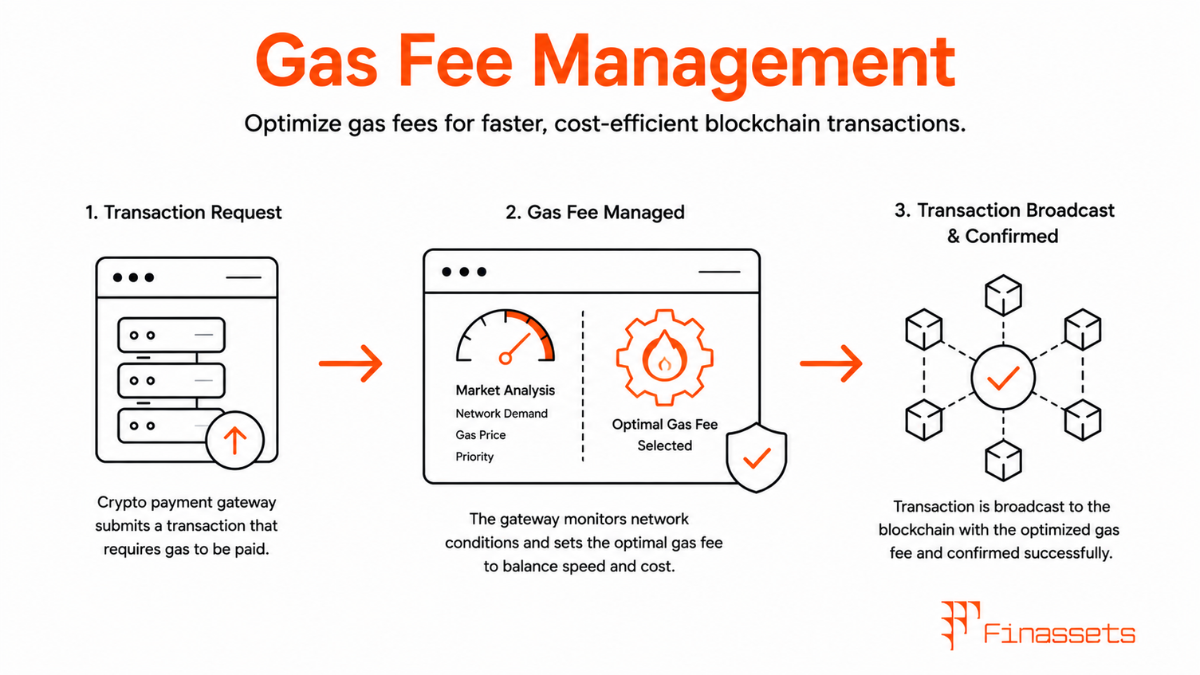
What Gas Fees Are and Why They Fluctuate
Gas is the unit that measures the computational work required to execute a transaction or smart contract operation on the Ethereum blockchain and EVM-compatible chains. Every transaction consumes a defined amount of gas — a simple ETH transfer uses 21,000 gas; an ERC-20 token transfer uses approximately 65,000 gas; a complex smart contract interaction may use hundreds of thousands. The gas fee a user pays is the product of the gas used and the gas price — the amount (in Gwei, where 1 Gwei = 0.000000001 ETH) they are willing to pay per unit of gas.
EIP-1559, implemented in August 2021, reformed Ethereum's gas fee model by introducing a base fee (burned, not paid to validators) that adjusts algorithmically based on block fullness, plus a priority tip (paid to validators) that users set to accelerate inclusion. This replaced the first-price auction model and made fee estimation more predictable, but gas costs still fluctuate significantly with network demand — during high-activity periods (NFT mints, DeFi events), base fees can spike 10x within minutes.
How Payment Gateways Manage Gas Fees Technically
For a payment gateway processing thousands of outgoing settlement transactions on Ethereum or EVM chains, gas fee management directly affects operating costs and settlement speed. Effective gas fee management involves several technical strategies operating in parallel:
● Real-time fee monitoring: The gateway continuously monitors current base fees and mempool conditions, maintaining a model of expected confirmation times at different gas price levels. Settlement transactions are priced to achieve confirmation within the gateway's target window — fast enough for reliable settlement, slow enough to avoid overpaying.
● Transaction batching: Where the blockchain supports it, multiple outgoing payments are combined into a single transaction. A smart contract batch transfer can pay 100 merchants in one transaction at the cost of approximately 5 individual transactions. The gas saving per payment is substantial.
● Time-of-day fee optimisation: Gas fees follow predictable patterns — lower during UTC night hours when fewer US and European users are active. Settlement batches that are not time-sensitive can be scheduled for low-fee windows, reducing costs without affecting reliability.
● Dynamic repricing: If a submitted transaction is stuck in the mempool due to insufficient gas price (because the base fee spiked after submission), the gateway uses EIP-1559's replace-by-fee mechanism to resubmit the transaction with a higher tip, accelerating confirmation without losing the original transaction data.
Layer 2 as a Gas Fee Elimination Strategy
For transactions that do not need to settle on Ethereum mainnet, routing through Layer 2 networks effectively eliminates gas fees as a meaningful cost. A USDC payment processed on Polygon, Base, or Arbitrum incurs fees measured in fractions of a cent regardless of mainnet congestion. Payment gateways that support L2 networks route incoming customer payments through L2 where available, accepting L2 USDC or USDT directly rather than requiring customers to bridge from mainnet.
The operational benefit extends to outgoing settlement transactions: sending a merchant settlement in USDC on Base costs under €0.01 versus €1–€10 for the same transfer on Ethereum mainnet during normal conditions and potentially much more during high-congestion periods. For high-volume gateways, the cumulative gas fee saving from L2 routing can amount to tens of thousands of euros per month.
Gas Fee Accounting and Reporting for Merchants
Whether gas fees are absorbed by the gateway or charged separately to merchants affects how they appear in accounting records. If a gateway absorbs gas fees into its processing margin, there are no separate gas fee line items — the merchant sees only the net settlement after the processing fee. If gas fees are charged separately and variably, the merchant's settlement statements will show a fluctuating 'network fee' deduction that requires tracking in the accounting system as a variable cost.
Merchants in jurisdictions where business costs are tax-deductible should ensure that separately charged gas fees are captured in their accounting records as payment processing expenses, separate from the cost of goods sold. Payment gateways that provide itemised statements with gas fee breakdowns per transaction period support this accounting treatment; those that bundle all costs into a single net settlement figure make the deductible gas fee component invisible in the records.
Compliance Note: This glossary entry is provided for general educational purposes only and does not constitute financial, investment, legal, or tax advice. Industry terminology may vary across jurisdictions and providers; definitions herein may not directly reflect the specific features, terms, or specifications of Finassets' services. For details on Finassets' offerings, please refer to official product documentation or contact our team directly.