

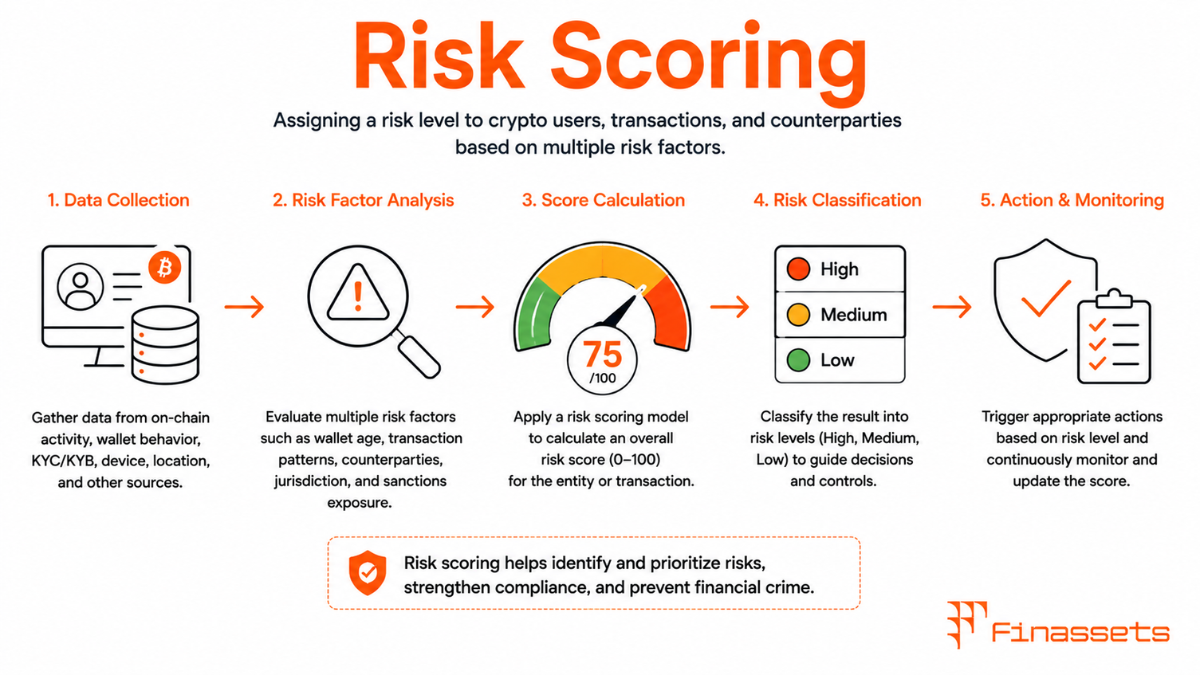
Rule-Based vs. Machine Learning Risk Scoring
Crypto payment gateway risk scoring systems fall into two broad categories. Rule-based systems apply predefined logic: if a transaction exceeds €10,000, flag it; if a wallet has more than 30% exposure to known high-risk addresses, flag it; if a customer makes more than five transactions within an hour, flag it. Rules are transparent, auditable, and easy to explain to regulators, but they can be gamed once known and cannot detect genuinely novel patterns.
Machine learning-based systems learn from labelled historical data (known fraud and money laundering cases) to identify patterns that rules might miss. They can adapt to new techniques without manual rule updates and may catch subtle anomalies that human analysts and simple rules overlook. Their trade-off is opacity — an ML model may flag a transaction as high-risk without a clear explanation, creating challenges for compliance officers who need to document their reasoning and for regulators who need to audit the system.
Most mature crypto compliance systems combine both: rules for clear-cut cases (sanctions hits, structuring patterns) and ML models for nuanced risk scoring of less obvious transactions.
Input Variables in Crypto Risk Scoring
Transaction-level scoring typically considers:
● Transaction amount relative to the customer's established pattern and account limits.
● Blockchain analytics risk score: The percentage of funds in the sending wallet that can be traced to high-risk sources — darknet markets, mixers, ransomware addresses, exchange hacks.
● Sending wallet age and transaction history: Fresh wallets with no history are higher risk than established wallets with a long, clean transaction history.
● Geographic origin: The jurisdiction associated with the sending wallet or the customer's KYB location.
● Transaction velocity: How many transactions the customer has conducted in a defined recent period.
● Network-level: Whether the asset and network combination has higher inherent risk (e.g., privacy coins, chains with limited analytics coverage).
● Time patterns: Transactions at unusual hours or with unusual frequency may indicate automated laundering activity.
Risk Tiers and Escalation Paths
|
Risk Tier |
Typical Score Range |
Automated Action |
Manual Review Required? |
|
Low |
0–30 |
Auto-approve and process |
No |
|
Medium |
31–60 |
Process with enhanced monitoring; flag for periodic review |
Periodic — not per-transaction |
|
High |
61–80 |
Hold pending review; 24–48 hour review window |
Yes — compliance analyst review |
|
Critical |
81–100 |
Block transaction; immediate freeze; SAR consideration |
Yes — senior compliance officer |
False Positive Management
Overly aggressive risk scoring creates false positives — legitimate transactions flagged as suspicious. High false positive rates damage merchant experience (delayed payments, frustrated customers) and waste compliance analyst time on cases that will not result in SARs. Tuning a risk scoring system requires ongoing calibration: measuring the disposition of reviewed cases (how many high-risk flags result in confirmed suspicious activity versus cleared legitimate transactions) and adjusting thresholds accordingly.
A risk scoring system that flags 40% of transactions as high-risk and has a 95% false positive rate is operationally worthless — analysts cannot process the volume and legitimate transactions are repeatedly delayed. Industry benchmarks for well-tuned systems aim for false positive rates below 10% in the high-risk tier, with alert volumes that can be reviewed within the required response timeframe by the compliance team's actual capacity.
Compliance Note: This glossary entry is provided for general educational purposes only and does not constitute financial, investment, legal, or tax advice. Industry terminology may vary across jurisdictions and providers; definitions herein may not directly reflect the specific features, terms, or specifications of Finassets' services. For details on Finassets' offerings, please refer to official product documentation or contact our team directly.