Converting crypto to fiat with the Finassets platform turns digital assets like Bitcoin or stablecoins into fiat currency such as EUR, then lets you move funds using a bank transfer to your bank account.
This guide explains how to convert crypto to fiat using the exact Automations steps from the Finassets walkthrough, plus the key details that matter most: conversion rates, transaction fees, withdrawal processing time, exchange limits, and tax implications.
What Does It Mean to Convert Crypto to Fiat?
Fiat conversion means exchanging cryptocurrency for a government-issued currency like EUR, USD, or GBP. When you convert crypto to fiat, you’re effectively using an off-ramp (also called a fiat gateway) to move value from the blockchain world into the traditional banking system.
People typically convert crypto to fiat to:
- Cash out crypto gains into traditional currencies
- Reduce exposure to cryptocurrency volatility
- Move funds into a bank for real-world spending (rent, payroll, bills)
Lock in value from trading or long-term holding investment strategies.
How to Convert Crypto to Fiat (EUR) in Finassets
To convert crypto to fiat (EUR) in Finassets, you set up an Automation that converts your chosen crypto into EUR when your balance meets your minimum threshold. This “set it once” approach is ideal if you receive crypto regularly and want a consistent crypto-to-fiat process.
Step-by-Step Guide (Finassets Automations Setup):
Step 1: Select the “Automations” tab
Log into your Finassets dashboard and open Automations.
Step 2: Click “Add Asset”
Click Add Asset to create a new conversion rule.
Step 3: Select the cryptocurrency to convert from
Choose the crypto asset you want to convert (examples: BTC, ETH, USDT). This is the asset Finassets will convert into fiat.
Step 4: Choose the status of the conversion: “Active”
Set the conversion status to Active so the automation runs.
Step 5: Select “EUR”
Choose EUR as your target fiat currency.
Step 6: Enter the minimum convertible amount
Set the minimum amount that must be available before conversion triggers. This reduces frequent small conversions that can increase total transaction fees.
Step 7: Enter the non-convertible withdrawal wallet balance threshold
Set the amount you want to keep unconverted in your wallet. This helps maintain a buffer for withdrawals and transfers.
Step 8: Lastly, click on “Create”
Click Create to save the automation.
Note: You can update the setup anytime via the Edit button.
How to Withdraw Crypto to a Bank Account
Crypto-to-fiat withdrawals are enabled upon the user’s request. This flow acts as a direct crypto to fiat off-ramp, sending funds from your Finassets balance to your bank using supported payment methods like local bank transfer rails.
Step-by-Step Guide (Finassets Off-Ramping Setup):
Step 1: Select “Balances”
Open your Finassets dashboard and go to Balances.
Step 2: Click “Withdraw”
Click the Withdraw button.
Step 3: Select the withdrawal option “To Fiat”
Choose To Fiat to withdraw in a fiat currency to your bank.
Step 4: Choose the crypto wallet you want to withdraw from
Select the wallet/asset you want to cash out from.
Step 5: Enter your bank account
Add or select your bank account details.
Step 6: Enter the amount
Type the amount you want to withdraw.
Step 7: Click “Withdraw” and confirm with your 2FA code
Confirm the transaction using your two-factor authentication (2FA) code for security.
Step 8: Click “Withdraw” again to finalize the order
Click Withdraw a second time to finalize the withdrawal request.
Your withdrawal request will now be processed. Withdrawal processing time depends on your bank and region. Always check the estimated time shown in your dashboard before confirming.
Ready to move from theory to action?
Test the B2B Crypto-to-Fiat Conversion Service With a Free Demo
Curious how it works in the real world, but not ready to set up an account?
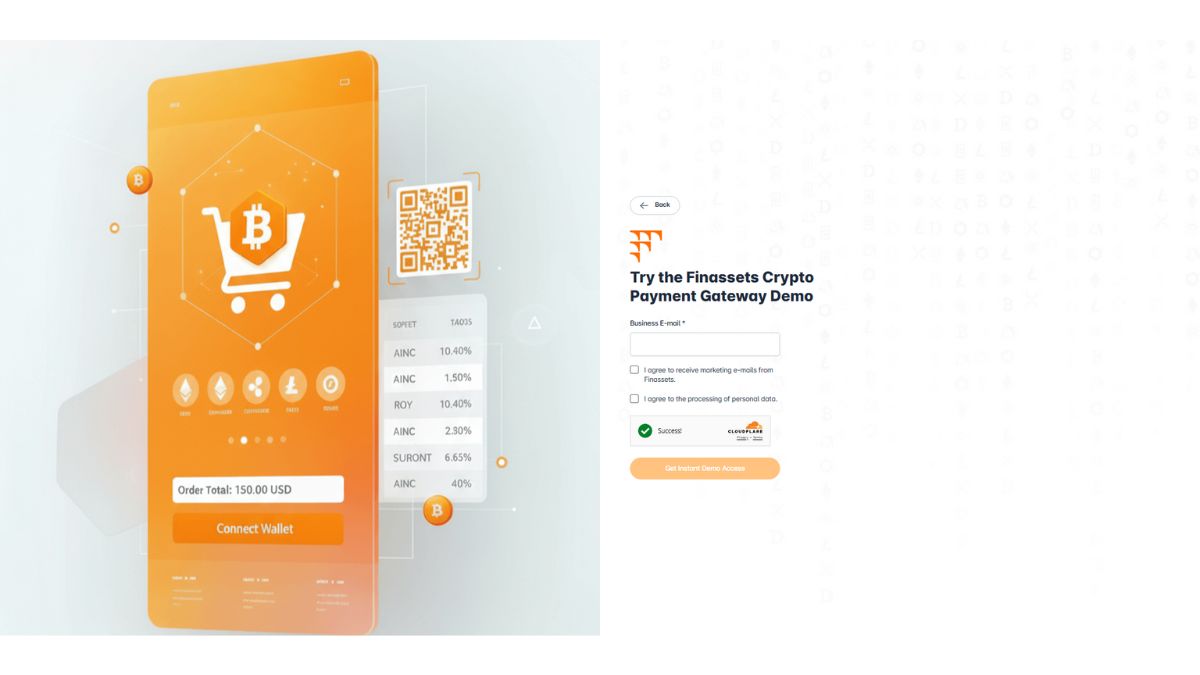
👉 Try our free crypto payment gateway demo.
Test Finassets’ crypto-to-fiat exchange service and explore other features. No credit card, PayPal, or other verification is required to sign up.
Just enter your email, and we’ll send your login details right away.
Fees and Rates: What Impacts the Final Amount You Receive?
Your final fiat amount depends on conversion rates, liquidity, and platform fees. When comparing cryptocurrency payment gateways, focus on total cost, not just one advertised number.
Key cost factors include:
- Trading fees / conversion fees when you sell or convert
- Withdrawal fees for bank transfers
- Network-related costs depending on the blockchain network used for deposits
- Market spread (difference between buy and sell pricing), especially during volatility
If you want more control over price, consider using a limit order when placing a sell manually (when available). A limit order can help you target better pricing, while automation prioritizes convenience.
Security and Compliance: Why KYB and AML Matter
Finassets low-fee crypto payment gateway uses a verification-first model because fiat withdrawals require compliance.
- KYB (Know Your Business) confirms user identity for regulated finance flows.
- AML (Anti-Money Laundering) monitoring helps prevent fraud and suspicious transactions.
- IP Whitelisting and Two-Factor Authentication (2FA) protect your account from unauthorized access.
This combination improves transaction security compared with informal peer-to-peer crypto trading where protection can depend on escrow quality and counterparty behavior.
Best Ways to Convert Crypto to Fiat (Quick Comparison)
Different off-ramps fit different needs. Here’s how users commonly compare options:
| Method | Best for | Trade-offs |
| Centralized exchange (CEX) (like Finassets) | Simple UX, bank withdrawals, strong compliance | KYB required |
| Decentralized exchange (DEX) | On-chain swaps, non-custodial control | Usually no direct bank withdrawal |
| Peer-to-peer (P2P) with escrow services | Flexible payment methods in some regions | Higher scam risk, inconsistent pricing |
| Crypto ATMs | Fast access to cash | Usually higher fees and worse rates |
Tax Implications: Converting Crypto to Fiat Often Triggers Taxes
In many jurisdictions, converting cryptocurrency to fiat is a taxable event. This can create reportable crypto gains (or losses) based on your cost basis and sell price. Track your transactions and consult a tax professional for country-specific rules.
Final Thoughts: A Simple Way to Cash Out Crypto
Finassets makes it straightforward to convert crypto to fiat with an automation-based setup, clear thresholds, and bank-friendly withdrawals. If you want a reliable off-ramp that supports EUR conversions with strong security and compliance, Finassets provides a clean path from crypto assets to traditional currencies.
👉 Create your Finassets account and set up your EUR conversion in Automations to start cashing out more efficiently.