As crypto adoption grows, fraud is also becoming more structured and more professional. This is not chaos and not a failure of crypto itself. It reflects a normal evolution of risk.
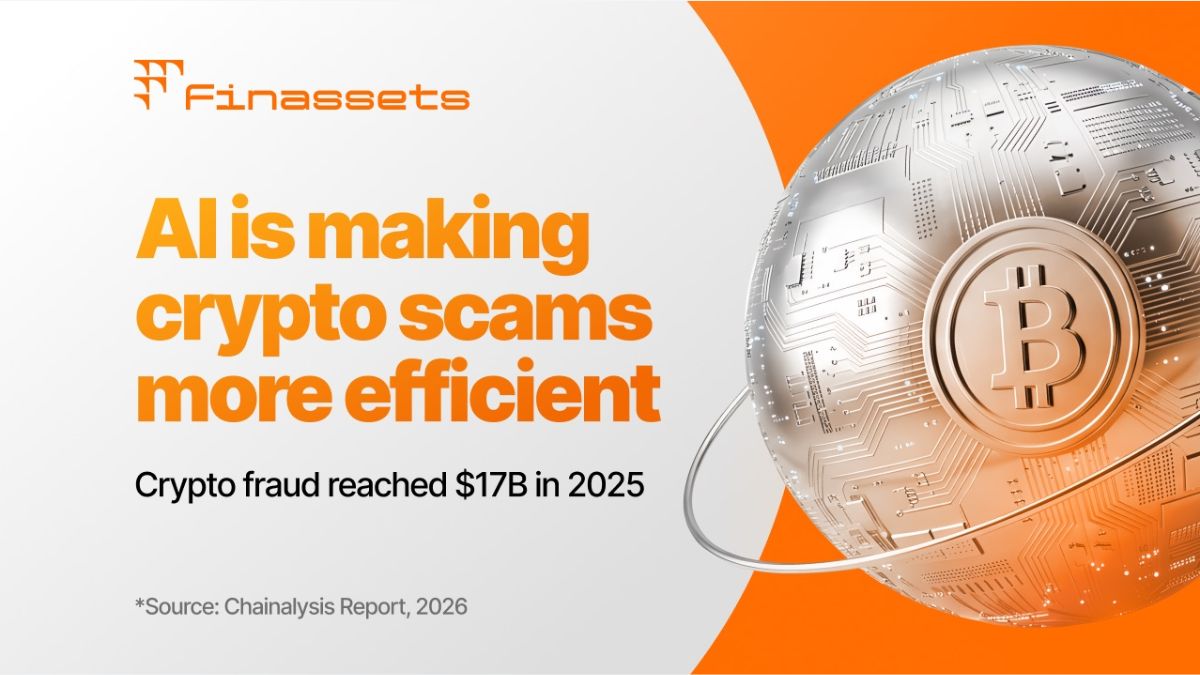
In the recent Chainalysis report, “Record $17 Billion Estimated Stolen in Crypto Scams and Fraud in 2025 as Impersonation Tactics and AI Enablement Surge”, the authors analyze how crypto scams are changing and what this means for businesses.
Below are the key points and how to think about crypto fraud in a practical way.
Predictable risks are manageable risks
Crypto fraud is becoming more professional and more efficient.
Scam operations are better organized and more focused on results. This trend mirrors what has happened before with other payment methods as they matured and reached wider adoption.
Large numbers made the problem visible
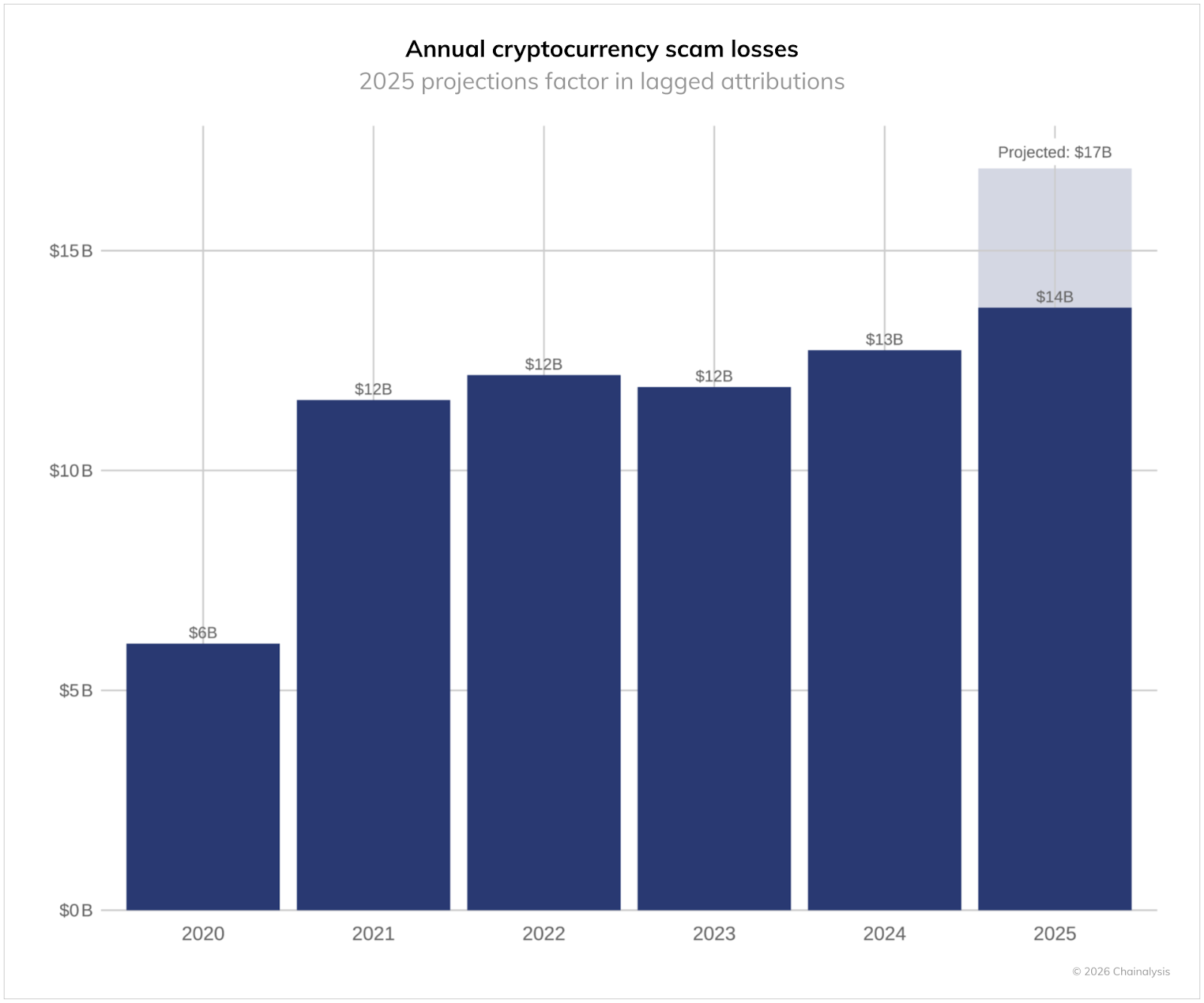
In 2025, at least $14 billion in on-chain funds flowed into crypto scam addresses.
Based on historical trends, this number may exceed $17 billion as additional illicit addresses are identified over time. The scale of these figures makes the problem visible and measurable.
Visibility enables analysis, enforcement, and prevention.
AI tools helps scammers convince people to send more money
Average scam losses are rising
The key change highlighted in the data is efficiency.
The average scam payment increased from $782 to $2,764 in a single year. This growth shows that scams are becoming more effective at persuading victims to send funds.
Psychology and Trust, Supported by AI
This shift reflects stronger use of psychology and trust rather than technical exploitation. AI increasingly supports these efforts by helping scammers communicate more effectively and at greater scale.

Impersonation Is Now the Main Risk Area
Impersonation became the fastest-growing scam category, increasing by more than 1400% year over year.
Criminals impersonate:
- government services,
- company support teams,
- trusted institutions.
Human Factors Under Pressure
These scams target user behavior and trust. They do not rely on breaking blockchain infrastructure or exploiting technical vulnerabilities.
These Fraud Methods Are Not New
Trust Is the Core Mechanism
Impersonation works because trust is universal. Similar patterns have existed for years in:
- email fraud,
- phone scams,
- card fraud,
- fake news.
Artificial Intelligence Accelerates Existing Scam Techniques
AI technology does not introduce new fraud methods. It accelerates existing ones by allowing scammers to interact with more victims at the same time and appear more convincing.
Enforcement Is Becoming More Effective
In 2025, law enforcement in the UK recovered 61,000 BTC and carried out major actions against large criminal organizations.
These cases show that blockchain transparency supports large-scale investigations and asset seizures, even in complex cross-border cases.
Waiting Increases Damage
Fraud grows fastest where there is no early control.
Once funds are transferred, recovery becomes difficult and slow. Reducing harm before transactions are completed is significantly more effective than reacting afterward.
Clear Processes Reduce Fraud
Crypto fraud increases where controls are weak and processes are unclear.
When crypto payments are integrated carefully with:
- monitoring,
- filtering,
- user protection mechanisms,
the resulting risk profile becomes comparable to other payment methods.
The data shows a clear pattern: fraud expands where procedures are unclear and decreases where payment processes are structured and monitored. Crypto is not different from other payment methods in this respect. With proper safeguards, businesses can benefit from adoption while limiting exposure.
👉 For guidance on implementing secure crypto payments, contact Finassets support team to learn more.